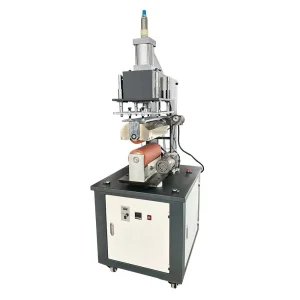
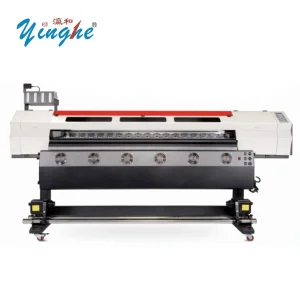
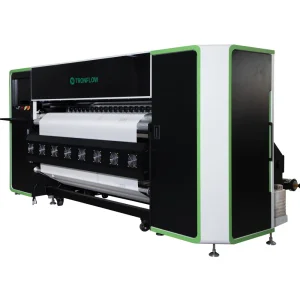
High-speed, tropical-optimized digital textile printers designed to bring robust, low-maintenance print manufacturing to Central Africa.
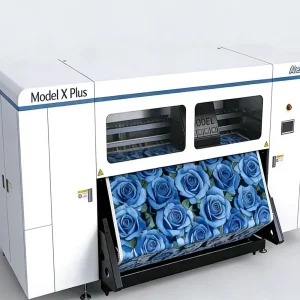
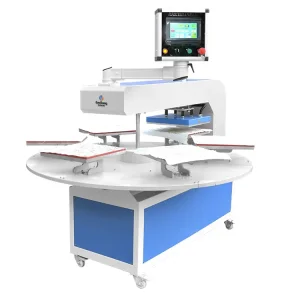
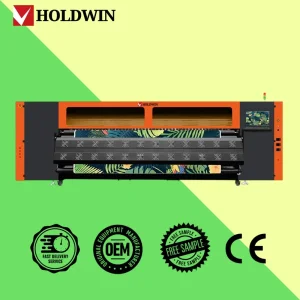
Analysis of the regional macro-economic environment, industrial opportunities, and operational frameworks for digital fabrication.
The Central African Republic (CAR), located at the heart of the African continent, is undergoing a pivotal transition phase. Historically dependent on raw commodity exports, there is a growing, concerted push towards local value addition—particularly in agricultural products like cotton. Cotton cultivation in prefectures such as Ouham, Ouham-Pendé, and Kemo represents a cornerstone of rural livelihoods. Historically, raw cotton lint was exported with minimal processing, causing the local economy to miss out on the highly profitable garment manufacturing value chain.
Today, local entrepreneurs, cooperative societies, and industrial development agencies in Bangui and surrounding urban hubs are recognizing the immense potential of localized textile production. By establishing digital printing micro-factories, local operators can print high-fidelity, custom garments, commemorative fabrics, and uniform textiles locally, cutting reliance on expensive imported goods from neighboring Cameroon or Europe. The transition to digital textile printing completely bypasses the need for high-water, high-pollution screen preparation and engraving yards—making it the ideal modern industrial approach for the CAR market.
Operating high-precision machinery in the tropical climate of Central Africa requires specific technological adjustments. Shenzhen Colvanta Print Co., Ltd. has developed specific engineering counter-measures to address these localized realities:
Electrical grid fluctuations are standard in many developing regions. Our high-speed digital systems are designed with low-power piezo-electric printhead assemblies, integrated voltage stabilizers, and continuous UPS power-loss recovery features to protect printheads during abrupt power interruptions.
Bangui's high humidity and ambient temperatures can affect ink viscosity. Our printers feature climate-controlled ink sub-tanks, closed-loop recirculation systems, and automated nozzle wiping cycles to ensure consistent ink viscosity and avoid clogging, even in tropical environments.
Sourcing parts and inks can be a logistical challenge. Colvanta provides dedicated supply corridors through regional hubs, paired with detailed digital maintenance training modules, helping local technicians resolve minor issues independently and maintain maximum uptime.
Global expertise meeting local manufacturing demands through innovative digital printing technology.
A Leading Global Digital Printing Machine Manufacturer
Shenzhen Colvanta Print Co., Ltd. is a professional digital printing machine manufacturer based in Shenzhen, China, specializing in advanced DTF, DTG, and UV DTF printing equipment. With a strong focus on innovation, efficiency, and reliability, the company provides comprehensive printing solutions for global customers in the garment, advertising, and customized product industries.
Colvanta Print integrates cutting-edge technology with practical application needs, offering a wide range of machines designed for high-quality textile printing, heat transfer production, and multi-surface customization. Its product line supports various materials including cotton, polyester, blends, leather, and hard surfaces, enabling businesses to expand their product offerings with flexibility.
Beyond equipment supply, the company delivers end-to-end solutions, covering technical support, workflow optimization, color management, and after-sales service. Whether for startups, print shops, or large-scale manufacturers, Colvanta ensures stable performance, user-friendly operation, and consistent output quality.
Committed to continuous R&D and strict quality control, Shenzhen Colvanta Print Co., Ltd. aims to help clients reduce production costs, improve efficiency, and scale their printing business in a competitive market. With global export experience and customer-oriented service, Colvanta Print is dedicated to becoming a trusted partner in the digital printing industry.
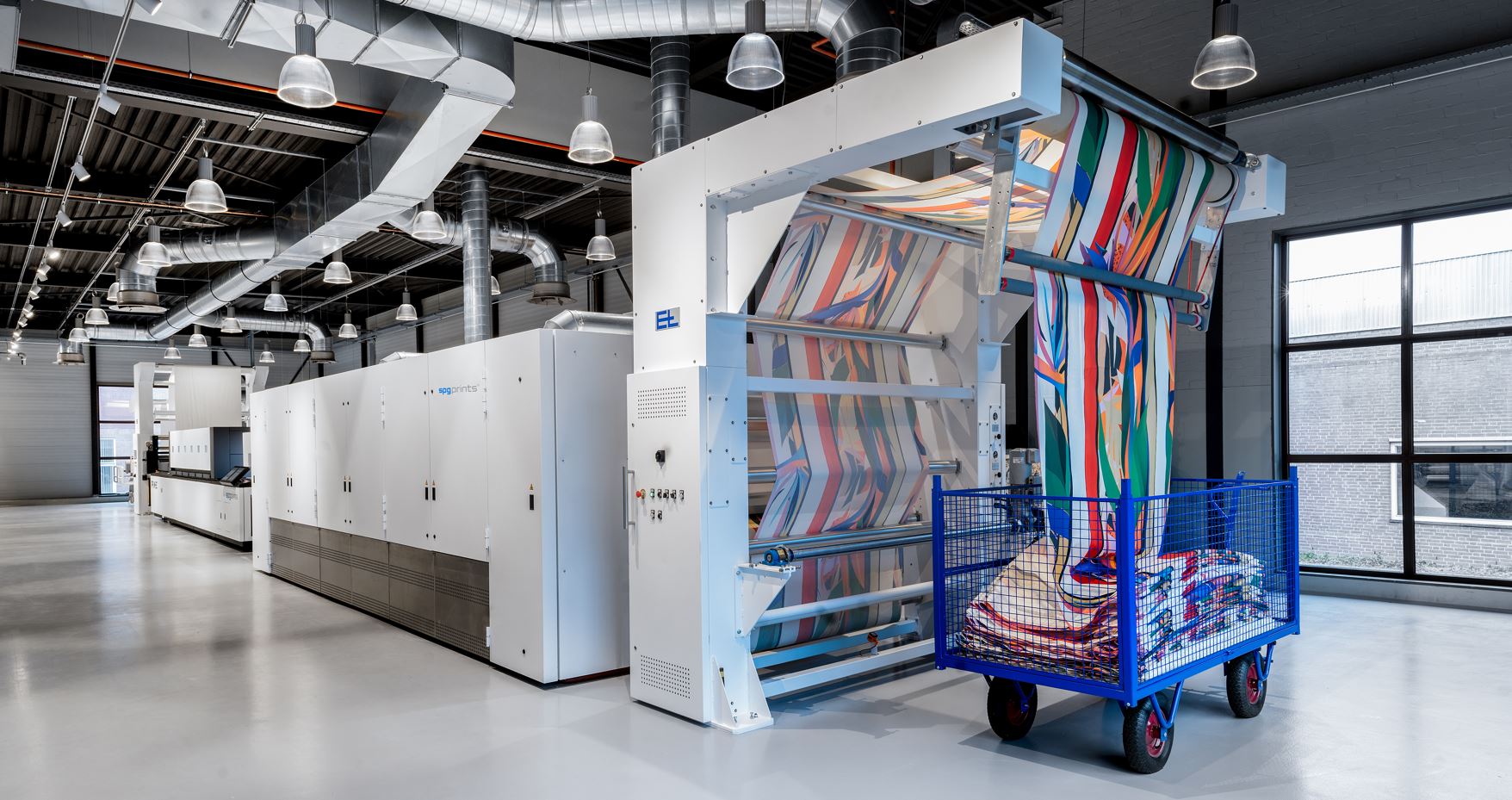
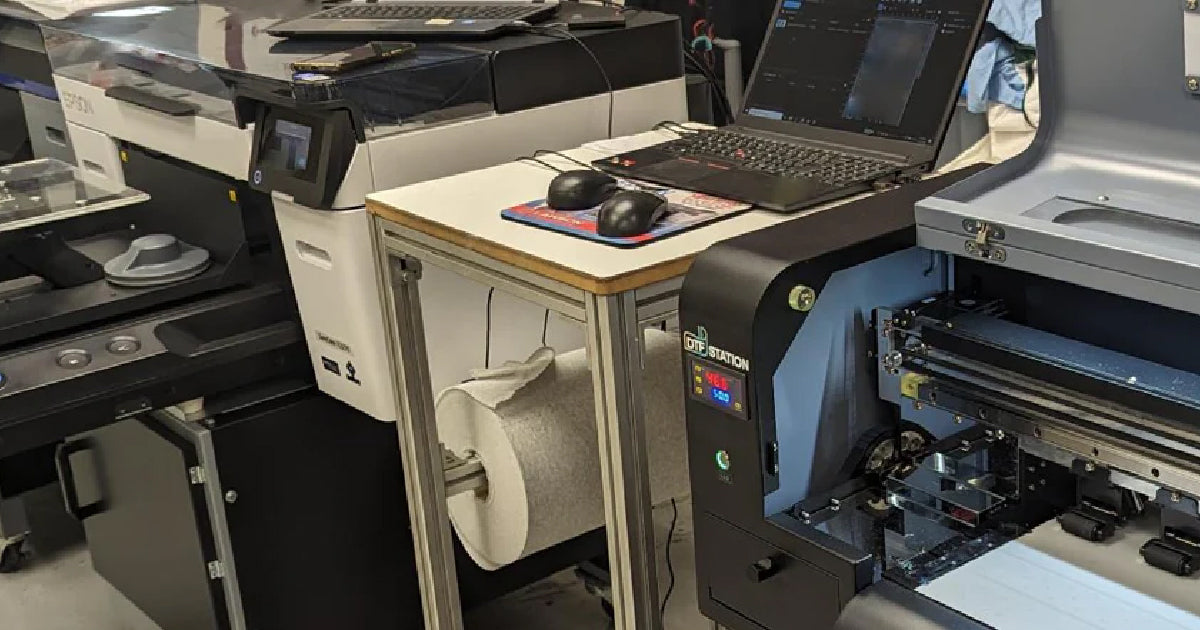
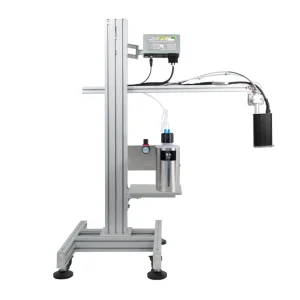
Expanding your printing floor capabilities with robust processing and automation machinery.

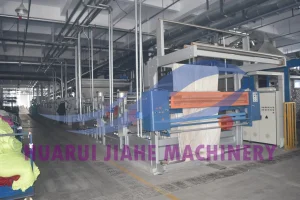
Aligning advanced printing technology with regional economic development targets in Sub-Saharan Africa.
The global textile sector is moving away from mass production run lengths. Environmental regulations, coupled with rapidly shifting fashion trends, have made warehousing huge textile inventories obsolete. Today, "micro-factories" located close to demand hubs represent the future. These micro-factories utilize high-precision industrial inkjet technology to print only what is sold, reducing chemical footprint, eliminating water intensive wash cycles, and cutting shipping costs.
For the Central African Republic, this represents a unique opportunity to build a modern textile industry from the ground up, bypassing the highly polluting analog printing era. By employing direct-to-garment (DTG) and direct-to-film (DTF) solutions, local manufacturers can service the demand for customized clothing, regional sportswear, institutional uniforms, and high-margin cultural apparel on-demand.
DPI Resolution Capabilities
Reduction in Production Costs
Water Waste in Sublimation
Remote Technical Diagnostic Support
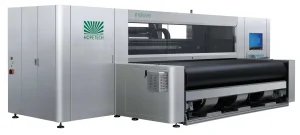
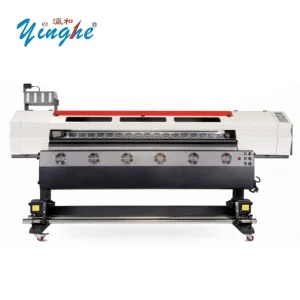
High-speed multi-pass, direct-to-cotton, and sublimation systems tailored for growing enterprises.
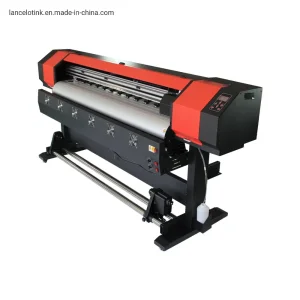
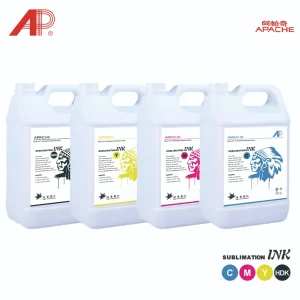
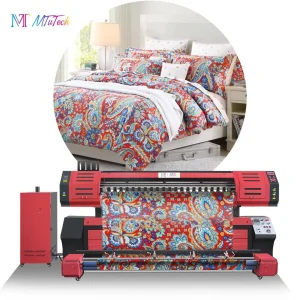
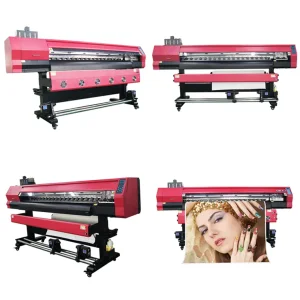
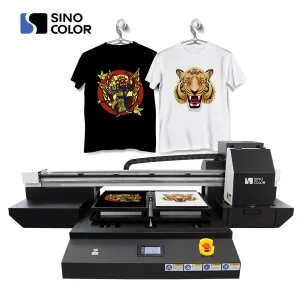
Future-proof designs and strict compliance metrics aligning with Central African customs and logistics standards.
Shenzhen Colvanta Print Co., Ltd. is committed to helping international partners establish green facilities. Our OEKO-TEX certified aqueous inks and dry-dye sublimation processes minimize water usage, bypassing the heavy industrial wastewater treatment protocols that complicate traditional wet dye processing. By utilising digital deposition, chemical waste is reduced by up to 80% per print unit, aligning with CEMAC ecological guidelines and environmental mandates within the Central African Republic.
Shipping precision heavy industrial gear to CAR requires careful coordination. We handle full container load (FCL) and less than container load (LCL) shipments via primary maritime lanes. Most cargo for the CAR is shipped to the Port of Douala (Cameroon), where it is cleared and transported via the dedicated land corridor directly to Bangui. Our logistics team provides full support for customs documentation, technical compliance certificates, and safety packing to guarantee that all machines arrive in perfect condition.
 Colvanta Print