Deploying state-of-the-art prepress hardware guarantees maximum system efficiency, environmental compliance, and high-fidelity output. Explore our key featured solutions below.


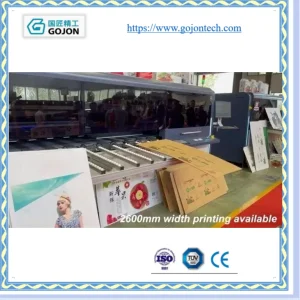
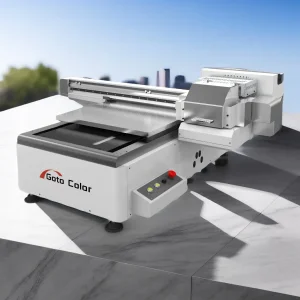
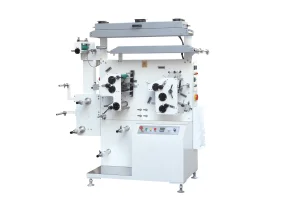
In the modern era of high-mix, low-volume custom production, artwork preparation systems serve as the vital link between digital graphic design and the physical transfer of ink onto substrates. Whether fabricating promotional apparel via Direct-to-Film (DTF), custom signage utilizing UV-curable flatbed systems, or complex commercial variable datasets via inline inkjet technologies, prepress and substrate optimization define ultimate output reliability.
To maintain competitiveness, industrial printers demand systems that minimize setup time, guarantee precise color profiling (ICC profiles), and incorporate high-efficiency auxiliary units. These auxiliary units, such as variable-speed centrifugal exhaust fans, thermal curing channels, and ink vaporization manifolds, optimize the chemical properties of pigments and media. Under strict production protocols, improper degassing, inadequate volatile organic compound (VOC) filtration, or uneven UV exposure can result in catastrophic failure modes: substrate warping, ink delamination, and sub-standard color reproducibility.
"The integration of intelligent RIP (Raster Image Processor) software with closed-loop physical curing systems has reduced prepress preparation times by up to 64% while simultaneously driving down energy consumption per print cycle by 28%." — Dr. Jonathan Vance, Director of Digital Manufacturing Sciences.
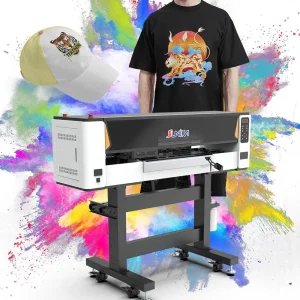
Shenzhen Colvanta Print Co., Ltd. is a leading manufacturer of high-precision digital printing systems based in Shenzhen, China. The firm specializes in the advanced engineering, manufacturing, and distribution of DTF (Direct-to-Film), DTG (Direct-to-Garment), and UV DTF printing equipment. By integrating complex micro-electromechanical components with user-centric software, Colvanta delivers end-to-end processing systems that empower packaging converters, garment customizers, and commercial print shops worldwide.
Through their modern Shenzhen production facility, Colvanta supports multi-surface customization across natural fabrics, synthetic polymers, anodized metals, and glass substrates. Leveraging rigorous Quality Control (QC) standards and global export infrastructure, they bridge localized assembly efficiency with comprehensive after-sales technical field support.
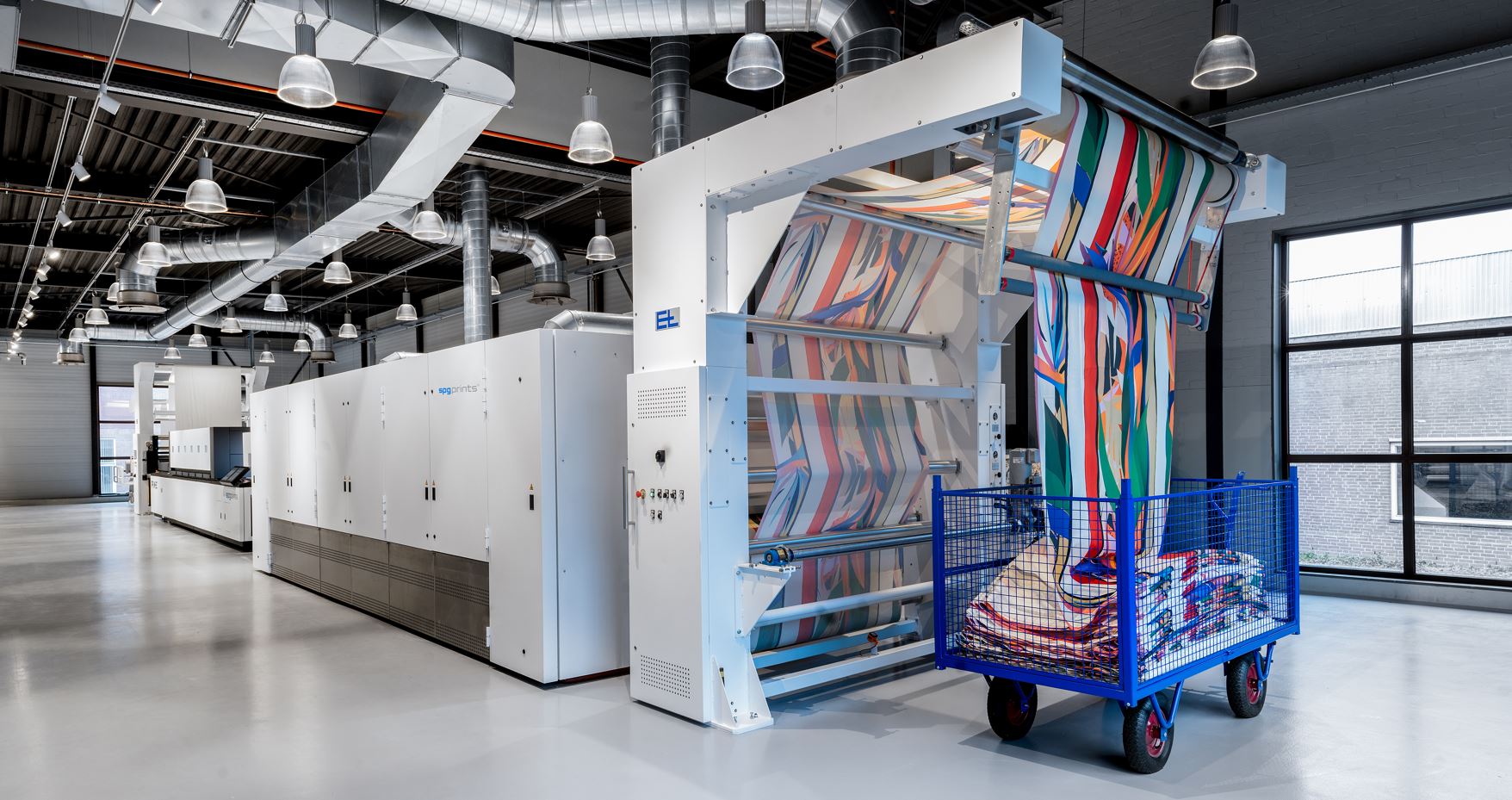
Selecting a supplier for industrial-grade artwork preparation and digital printing machinery requires a multi-dimensional auditing framework. Buyers must look beyond initial acquisition costs to analyze Total Cost of Ownership (TCO) and system integration longevity. Below is the technical matrix utilized by procurement teams to benchmark the Top 10 global suppliers:
| Evaluation Metric | Standard System Capability | Advanced System Capability (Colvanta Level) | Business Impact |
|---|---|---|---|
| Printhead Control Systems | Standard wave-form driverboards; static pulse settings. | Variable dot technology (3pl to 15pl); dynamic thermal monitoring. | 30% ink saving; elimination of high-speed print banding. |
| Curing & Ventilation | Passive convection; basic extraction without HEPA systems. | Active multi-zone heat profile with centrifugal extraction. | Clean production environment; zero toxic VOC build-up on print paths. |
| Substrate Versatility | Rigid substrates or flexible films only; manual thickness adjust. | Hybrid setup: Roll-to-roll + Flatbed vacuum zone with auto-calibration. | Unlocks new business niches (Acrylic, Wood, Textiles, Metal). |
| Variable Data Printing (VDP) | Slow external rendering; manual data loading. | High-speed dynamic database rendering via optimized RIP pipeline. | Enables high-volume serial coding and QR traceability. |
Artwork preparation needs shift dramatically depending on localized consumer patterns, labor markets, and manufacturing styles.
In mature Western markets, consumer shifts toward instant gratification have fueled direct-to-garment (DTG) and DTF micro-fulfillment hubs. Integration with online storefronts demands automated APIs that convert raster images into vector formats, calculate white-ink underbases on the fly, and send print commands directly to machines like the Sunika 60cm DTF system, without human operator overhead.
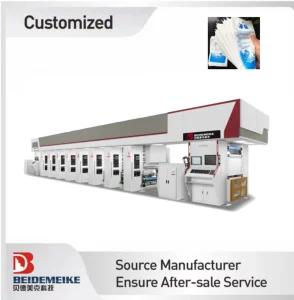
European Union markets enforce strict chemical, recycling, and carbon emission regulations. Utilizing UV LED curing and digital gravure setups with built-in heat recovery and carbon filtration ensures compliance with European standards. Water-based inks combined with energy-efficient ventilation arrays minimize factory emissions, meeting localized municipal environmental targets.
In mega-scale electronics assembly plants throughout Vietnam, China, and Malaysia, high-speed inline ultraviolet inkjet systems code serialization details onto micro-components. Constant component movement requires variable data processing systems capable of printing dynamically shifting datamatrix barcodes without interrupting machine cycles.
The digitization of packaging, labeling, and garment production is moving rapidly toward end-to-end cyber-physical automation. Industry research indicates three critical developmental pillars that will shape the design of future artwork preparation systems over the next five years:
Traditional RIP software requires manual review of resolution, transparency bugs, and font embeds. Emerging prepress systems deploy localized AI models that identify compression anomalies, fix low-contrast zones, and auto-nest graphic prints across irregular sheets. This optimization ensures maximum material yield, preventing raw polymer film waste.
Legacy printers rely on mercury arc lamps that require prolonged warmup phases and emit substantial heat. Next-generation systems employ multi-wavelength LED arrays (e.g., 365nm paired with 395nm). This combination ensures deep inner curing for high-build spot-varnish details, while instantly cross-linking surface layers for scratch resistance.
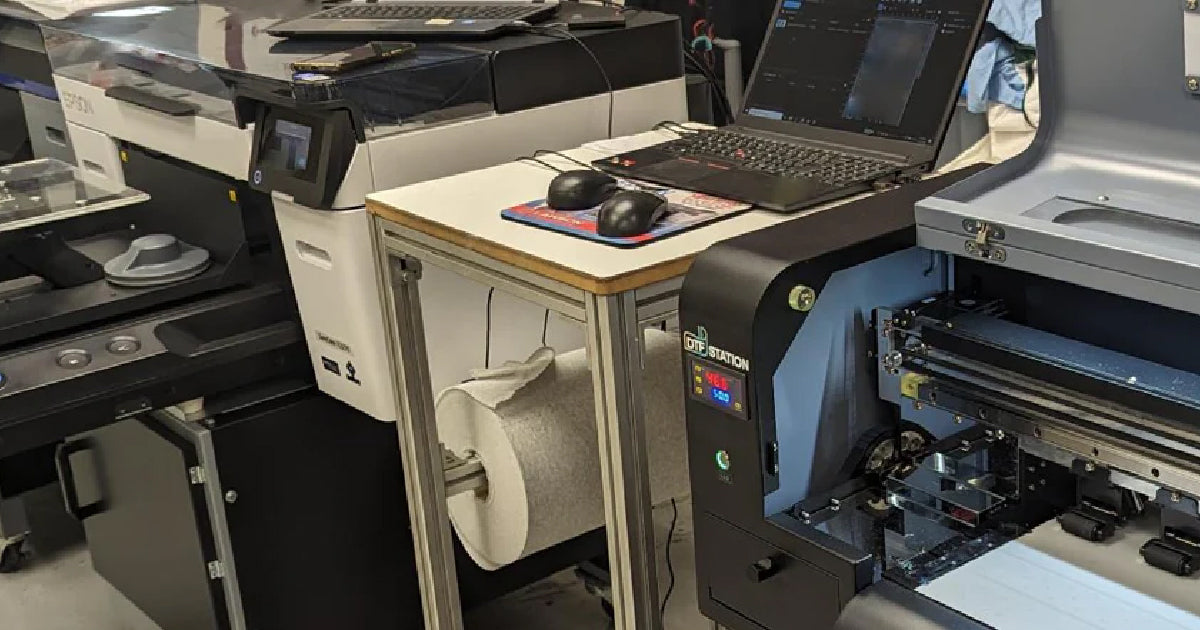
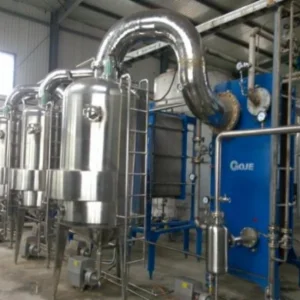
Applying direct chemical formulations onto heat-sensitive media requires precision thermal management. High-flow vaporization systems and thermal-regulating manifolds ensure that target viscosity is maintained during high-frequency jetting cycles, preventing nozzle drop-outs and satellite droplets.
For international distributors, partnering with a Chinese supplier located in Shenzhen offers distinct operational advantages. The Shenzhen industrial belt houses the world’s most dense cluster of mechanical component suppliers, electronic driverboard fabricators, optical array manufacturers, and assembly plants.
This concentration allows manufacturers like Shenzhen Colvanta Print Co., Ltd. to pivot swiftly when customer specifications change. Custom components can be prototyped, machined, hardened, and test-fitted in days, compared to the multi-week lead times common in other industrial clusters.
Furthermore, integration with key logistical hubs—specifically Shenzhen Port, Hong Kong Port, and major international air freight corridors—ensures fast, predictable shipping. By streamlining supply lines and maintaining robust inventory reserves of printheads, driverboards, and linear rails, Colvanta protects global distributors from supply shocks.
Delivering printing equipment across international borders requires strict compliance with safety, environmental, and electro-magnetic standards. Colvanta ensures all systems meet or exceed recognized international standards, including CE certifications, FCC compliance, and RoHS compliance.
Beyond compliance, localized distributor programs play a crucial role in providing field support. Colvanta provides detailed remote diagnostics, video-guided installation modules, and complete replacement parts kits. Because downstream productivity relies heavily on system uptime, Colvanta coordinates with global distribution partners to maintain localized inventories of critical parts like dampers, UV lamps, and printheads, ensuring rapid local delivery.
Technical details and system operations explained for prepress staff and lead machine engineers.
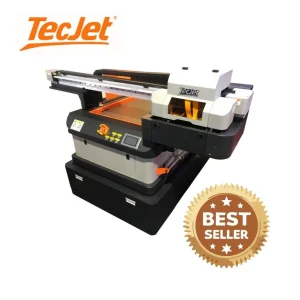
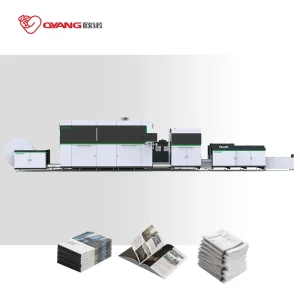
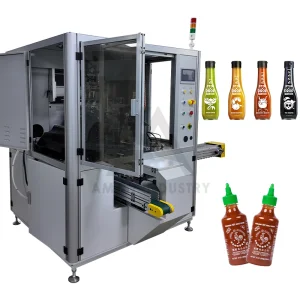
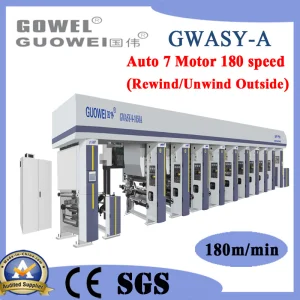
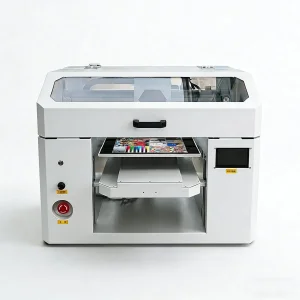
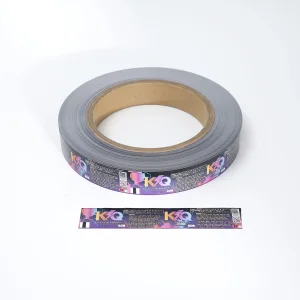
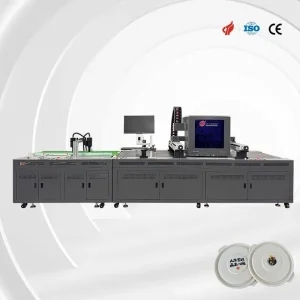
Explore our versatile range of industrial printing systems, designed for packaging labels, cylindrical surfaces, and high-speed production.

 Colvanta Print